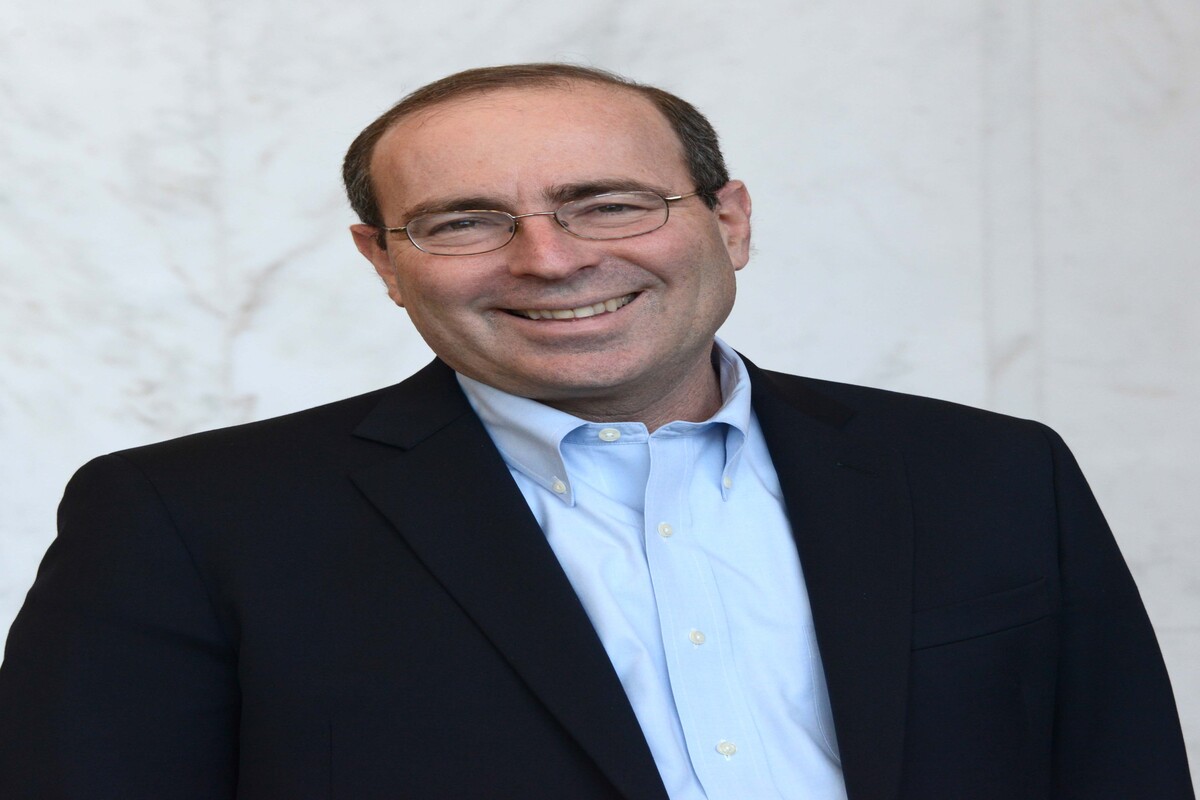
Richmond Federal Reserve President Tom Barkin said inflation risks currently outweigh risks to maximum employment, offering one of the clearest explanations yet for last week's interest-rate increase and leaving the door open to further tightening if price pressures remain persistent.
The Federal Open Market Committee (FOMC) raised the federal funds target range by 25 basis points last week to 3.75%-4.00%, its first rate increase since July 2023. Barkin said the decision reflected a judgment that inflation, rather than the labor market, is the bigger threat to the Fed's dual mandate.
"Will additional hikes be required, and how many? We'll see," Barkin said in remarks delivered before the CFA Society, Baltimore, Tuesday. He added that the Fed remains committed to returning inflation sustainably to its 2% target.
That leaves the policy path data-dependent, but the speech tilts the risk around rates toward further tightening rather than an immediate return to easing. Barkin's comments are particularly important because they suggest the September hike should not be viewed simply as a one-off response to temporary inflation shocks.
Inflation Is the Reason the Fed Hiked
Barkin's central argument was straightforward: inflation remains too high, while the labor market has not deteriorated enough to justify giving greater weight to employment risks.
Headline PCE inflation was 3.7% in July and core PCE inflation was 3.3%, Barkin pointed out. More broadly, he said more than 60% of the PCE index was rising faster than 3% year over year.
At the same time, the unemployment rate was 4.1% in August, initial claims remained near historic lows, layoffs were muted and August job gains exceeded 160,000.
"Looking at both, it's clear which kid needs our focus," Barkin said, arguing that inflation risks currently outweigh employment risks.
The implication for rates is important: the Fed does not need a sharp deterioration in employment to justify holding rates high or raising them again if inflation fails to cool.
Barkin Pushes Back Against the 'Temporary Inflation' Argument
A key part of the speech was Barkin's warning that inflationary pressures may prove more persistent than initially expected.
He pointed to tariffs, the Middle East conflict and the artificial intelligence (AI) investment boom as sources of continuing cost pressure. Rather than treating these as short-lived shocks that the Fed can simply look through, Barkin said they could take time to fade and could influence future inflation expectations.
Richmond Fed surveys show prices received by businesses have averaged 3.5% growth since late 2023, while the second-quarter CFO Survey showed expectations for 2027 year-over-year price growth at 4.1%.
That creates a potentially important feedback loop for monetary policy: if businesses become more comfortable passing higher costs through to customers, the Fed may need to keep policy restrictive for longer.
Barkin said businesses today appear more willing to test their pricing power than they were before the pandemic, partly because they have already experienced a period in which cost increases were successfully passed through.
What This Means for the Next Fed Move
Barkin did not pre-commit to another hike. He explicitly acknowledged two possible paths.
Inflation could fall relatively quickly if recent shocks reverse, consumers reach their spending limits, investment slows or employment weakens. But inflation could also prove more persistent if supply shocks drag on, new cost pressures emerge or stronger demand feeds into prices.
That makes upcoming inflation and labor-market data particularly important.
The September FOMC decision moved the policy rate to 3.75%-4.00%, while the Fed's latest projections put the median 2026 policy rate around 4.1%, consistent with roughly one additional quarter-point increase from the current range.
Barkin's remarks reinforce that additional move as a live possibility, but they do not establish it as the Fed's base-case commitment.
The distinction matters for markets. The September hike is now followed by a more consequential question: does inflation cool enough to keep the Fed at 3.75%-4.00%, or does persistent price pressure force policymakers to extend the tightening cycle?
Treasury Yields and Dollar Face a Higher-for-Longer Risk
For Treasury markets, Barkin's remarks reinforce the risk that short-dated yields remain elevated as traders reassess the probability and timing of another hike.
The September rate increase was already reflected to a significant degree in market expectations. So, the next catalyst is likely to be incoming inflation and labor-market data rather than the hike itself.
A persistent inflation backdrop would keep upward pressure on the front end of the Treasury curve and could limit expectations for rate cuts. Longer maturities face a more complicated setup because inflation risks can push yields higher while tighter monetary policy eventually weighs on growth.
The dollar could also benefit from a higher-for-longer U.S. rate outlook, particularly if other major central banks are perceived as less likely to tighten further. As markets digest comments from Fed officials, the U.S. Dollar Index (DXY) strengthened to its highest level since late July, having climbed as high as 100.70 intraday.
The dollar strength would matter for commodities as well. A firmer dollar and higher real yields would generally create a more difficult backdrop for rate-sensitive assets such as gold and silver, although geopolitical risks and supply concerns could offset some of that pressure.
Equities Face a More Important Rate Test
Barkin's remarks also matter for equities because they challenge the assumption that the September hike necessarily marks the end of the tightening cycle.
The Fed's latest statement described economic activity as expanding at a solid pace, with resilient spending, strong productivity and robust capital investment. Barkin similarly pointed to strong consumption and investment, including substantial AI-related spending.
That combination creates a difficult setup for rate-sensitive growth stocks: strong demand supports earnings, but persistent inflation can keep the Fed from easing financial conditions.
For the Nasdaq and other duration-sensitive assets, the market's focus therefore shifts from the September hike itself to whether inflation data force investors to price a higher terminal rate.
The Market's Next Question Is Not Whether the Fed Can Hike
Barkin's speech leaves the immediate policy question deliberately open.
The Fed has already demonstrated that it is willing to raise rates again when inflation remains materially above target, even with unemployment near historically low levels. The next decision will depend on whether the inflation pressures Barkin highlighted begin to fade or become embedded more deeply in prices and expectations.
For markets, that puts upcoming inflation readings, employment data, consumer spending and evidence of corporate pricing power at the center of the rate outlook.
The key risk is no longer simply a surprise Fed hike. It is the possibility that persistent inflation prevents the Fed from reversing course after September's increase, keeping rates elevated for longer than markets had expected.