Business activity accelerated to an eight-month high in July as strong services demand offset softer manufacturing growth, while rising costs, supplier delays and new tariffs complicated the inflation outlook.
Growth Holds Up as Services Offset Manufacturing Softness
After recent outperformance fueled by front-loading ahead of war-induced price increases, U.S. manufacturing activity cooled for a second straight month in July. Yet a sharp acceleration in services activity more than compensated, helping overall business activity gain momentum at the start of the third quarter.
The data suggest that while the goods-producing side of the economy is beginning to normalize after a period of inventory accumulation and tariff-related purchasing activity, domestic demand remains healthy enough to keep the broader expansion intact.
Manufacturing Momentum Continues to Fade
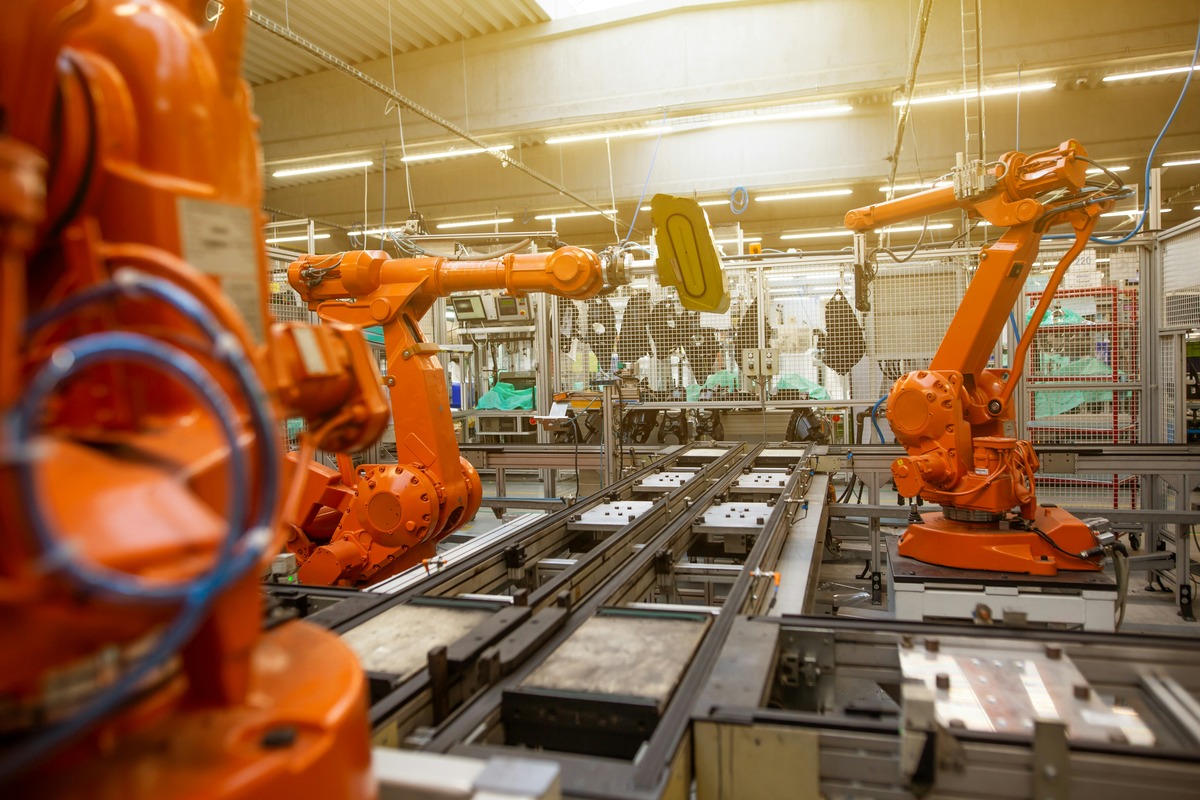
S&P Global's Manufacturing PMI edged down to 53.8 from 53.9 in June, missing expectations and marking a four-month low. Output growth slowed to its weakest pace since March, new orders expanded at a slower rate and inventory accumulation moderated after strong gains in May and June.
While the sector remains in expansion territory, signs are emerging that the boost from earlier stockpiling and tariff front-running is beginning to fade. Manufacturers also reported growing concerns about trade uncertainty, tariffs and geopolitical tensions, all of which weighed on confidence.
Services Sector Takes the Baton
The services sector emerged as the key driver of growth, with the Services PMI climbing to an eight-month high of 53.6. Firms cited strong consumer spending, FIFA World Cup-related demand, robust July 4 holiday activity and increased corporate investment in marketing, sales and product development.
The strength of services highlights the continued resilience of domestic demand and underscores the economy's growing reliance on consumer and business spending in service-oriented industries.
Inflation Pressures Refuse to Fade
Although manufacturing cost pressures moderated somewhat, services firms reported the strongest increase in input costs in more than a year. As a result, overall input cost inflation accelerated to its highest level since May 2025.
Supplier delivery times also deteriorated sharply, reaching their worst level in nearly four years. Unlike traditional supply-chain disruptions associated with surging demand, many firms linked the delays to geopolitical tensions and transportation disruptions stemming from the Middle East conflict.
For the Federal Reserve, the combination of rising costs, stronger employment and persistent supply constraints suggests inflation risks remain difficult to fully extinguish.
Tariffs Return to Center Stage
Trade policy has once again become a major macro variable. President Donald Trump announced new Section 301 tariffs ranging from 10% to 15% on 60 major trading partners representing more than 90% of U.S. imports. The measures replace the previous IEEPA tariff framework that was invalidated by the U.S. Supreme Court.
The renewed tariff push raises the possibility of higher import costs feeding into consumer prices at a time when inflation is already running above the Fed's target. While businesses have so far absorbed some of the impact through inventory management and supply-chain adjustments, the room to do so may be narrowing.
Markets Weigh Growth Against Inflation
Financial markets responded cautiously to the report. The U.S. Dollar Index surrendered part of its early gains, and Treasury yields edged lower. Industrial stocks gave back advances, while technology shares extended losses immediately after the release.
The reaction reflected the report's mixed message: economic growth remains solid, but the combination of tariff risks, supply disruptions and persistent inflation pressures reinforces the prospect that the Federal Reserve may remain cautious about easing policy.
The Key Question: Can Services Carry the Economy Alone?
The July PMI data suggest the economy remains on a firm footing, with S&P Global estimating growth consistent with roughly 2% annualized GDP expansion. However, some of the recent strength appears linked to temporary factors such as World Cup-related spending and holiday activity.
As those tailwinds fade, investors will be watching whether services demand can continue offsetting slowing manufacturing activity. At the same time, renewed tariffs, geopolitical disruptions and rising input costs threaten to keep inflation elevated, potentially creating a challenging environment in which growth cools but price pressures remain stubbornly persistent.