The U.S. and China have put names to the trade deal agreed at last week's summit in Washington. Under what the White House calls the “30-for-30” framework, each side will offer lower tariffs on about $30 billion of the other's goods, or roughly $60 billion of trade in total.
On paper, it looks like a clear win for American farmers. But soybean futures are falling on the news, and the reason says a lot about how much this deal really changes, and how much is still unknown.
What Is on the Lists
The two lists are very different in size. China's list covers 1,619 US product lines, while the U.S. list covers just 77 categories of Chinese goods. Both are valued using 2024 trade figures.
Overview
| China Buying from the U.S. | U.S. Buying from China | |
|---|---|---|
| Number of Items | 1,619 | 77 |
| Main Products | Corn, wheat, sorghum, meat, dairy, seafood, whiskey, soyoil, soymeal, medical devices | Toys, tableware, kitchenware, bedding, fireworks, Christmas lights and ornaments, sports balls |
| Value (2024 trade) | About $30 billion | About $30 billion |
U.S. Trade Representative Jamieson Greer said the deal improves market access for around 30% of U.S. exports to China.
China's commerce ministry said more than 90% of the products would move to “most-favoured-nation” rates, the standard tariff China charges most trading partners. In simple terms, the extra China-only tariffs on those goods would largely disappear.
For U.S. retailers, the timing matters. The U.S. list is heavy on holiday goods. “If we see the tariff cuts actually implemented before the holiday season, it could provide a welcome boost to U.S. consumption and to retailers,” said Jacob Cooke, CEO at WPIC, in comments to CNBC. The key word there is “if.”
The Soybean Snub
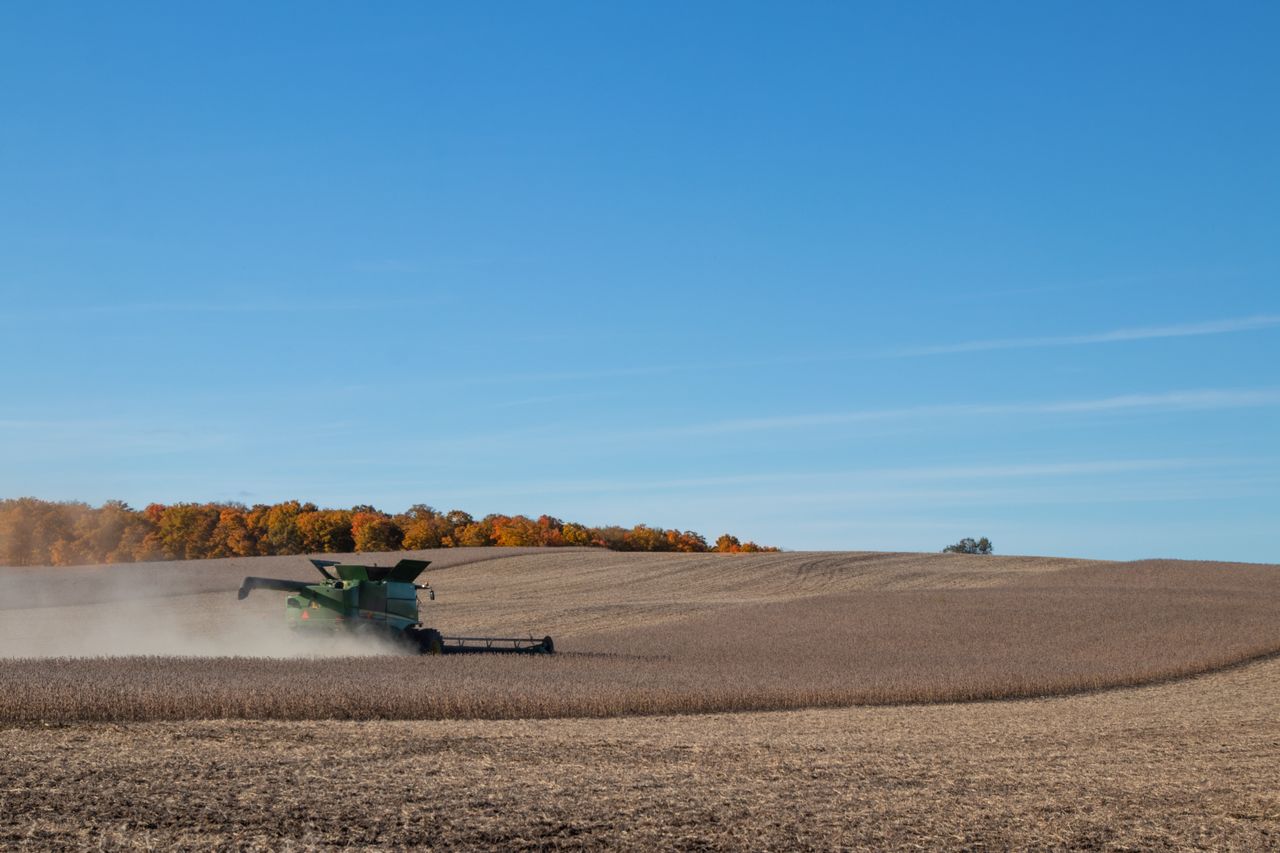
Soybeans are the biggest U.S. farm export to China, and they are not on the list, apart from seeds for planting. That means U.S. soybeans still face an extra 10% tariff, a level traders say is too high for China's private crushers (the companies that process beans into oil and animal feed) to absorb.
The market reaction was quick. The most actively-traded Chicago soybean contract (ZS) fell 1.8% to $12.95½ a bushel by midday in the U.S., touching a two-week low. Corn and wheat slipped too, even though both made the list.
Beijing appears to be keeping soybeans on a separate track. State buyers Sinograin and COFCO have bought more than 12 million tonnes of U.S. soybeans, close to half of the 25 million tonnes a year the White House says China committed to through 2028.
Feng Chucheng of Hutong Research told Reuters that soybean buying carries “major political implications,” and that keeping it off the list gives Beijing leverage over Washington ahead of the midterm elections.
A List, Not Yet a Policy
The official terms say future tariff cuts will be set through each country's own legal process. No U.S. Federal Register notice or Chinese tariff-commission order has been published, so nothing changes at the border yet.
The deal is also smaller than it sounds for China. BNP Paribas Wealth Management's Prashant Bhayani noted that U.S. exports to China were about $68 billion in the first seven months of the year, while Chinese exports to the US were around $270 billion over eight months.
So $30 billion matters far more to U.S. exporters as a share of their trade. The wider tariff truce has been extended to January 10, which gives both sides time but no guarantees.
Scenarios: What Comes Next for Soybean Futures
| Scenario | What Needs to Happen | Likely Market Reaction |
|---|---|---|
| Bull | Beijing confirms a separate soybean purchase deal or cuts the extra 10% tariff | Soybean futures post a recovery above the $13.00 handle |
| Base | State buying continues quietly; no soybean-specific news; cut dates still unclear | Soybean futures chop around near $13.00, driven more by the US harvest and weather |
| Bear | No soybean track emerges and Brazil's new crop wins Chinese demand | Soybean futures extends below the 2026 lows as the China premium fades |
Looking ahead, and market participants may be best served by keeping a close watch on how the deal shapes up and whether or not soybeans are added to the list.
Such a move mitigates risk and increases the probability of a successful setup.