Senate Republicans have released a revised draft of the CLARITY Act, the Digital Asset Market Clarity Act and are calling it their “last, best and final” offer to Democrats.
The roughly 635-page rewrite lands just ahead of a make-or-break Senate vote on Tuesday, September 15.
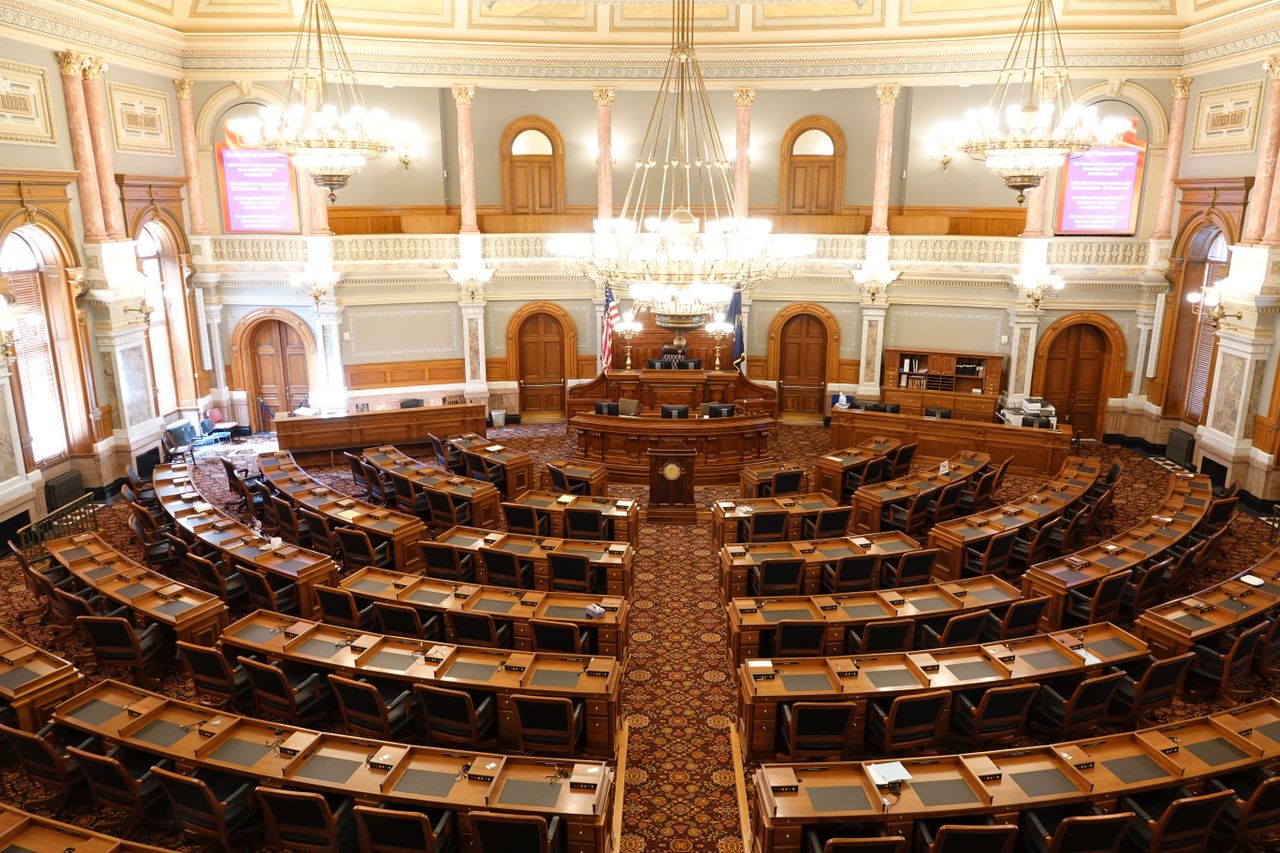
That vote is a cloture vote. In plain terms, it is a procedural step to open full debate on the bill, and it needs 60 votes to pass. Republicans hold 53 seats, so they need at least seven Democrats to cross over.
As of now, no Democrat has publicly backed the new text.
The Picture
| At a Glance | Detail |
|---|---|
| The Bill | Digital Asset Market Clarity Act ("CLARITY Act"), revised ~635-page draft [VERIFY] |
| The Vote | Sponsors call it their "last, best and final" offer to Democrats |
| The Math | Republicans hold 53 seats; need at least 7 Democrats. None publicly backing yet |
| Framing | Sponsors call it their "last, best and final" offer to Democrats |
| Odds | Roughly 30% to pass this year on prediction markets |
What Changed
The headline addition is a new ethics package that President Trump has signed off on, reportedly about 80% of a counterproposal from Senators Thom Tillis and Ruben Gallego.
Under the new text, covered federal officials and their spouses would have to divest substantial crypto holdings or place them in a blind trust (an account they cannot see or control), and would be barred from issuing digital assets. State attorneys general could help enforce the rules, something the White House had previously resisted.
- A stablecoin “circuit breaker.” This lets federal regulators step in if community banks face large-scale deposit outflows into stablecoins, a safeguard against a bank-run-style flight of money.
- Narrowed developer protections. Language under the Blockchain Regulatory Certainty Act that would have extended protections to certain criminal cases has been removed; the scope now centres on the Bank Secrecy Act and civil enforcement.
- Tighter conflict-of-interest rules targeting affiliate trading and firms that both run a crypto market and trade on it.
Why It Matters
If the bill clears cloture, the U.S. moves closer to its first real rulebook for crypto, who regulates what, and where the guardrails sit. If it fails, a short pre-midterm calendar leaves little room for a clean standalone passage this year.
Prediction markets currently put the odds of passage at around 30%.
The Desk Takeaway
Tuesday is the catalyst. A pass potentially reads as a clean risk-on signal for Bitcoin and crypto futures; a failure hands the market another leg of regulatory limbo.
Position into a binary, headline-driven event with that in mind, this is a vote-outcome trade, not a levels trade.