Updated at 10:15 a.m. ET with further analysis of the report, analyst comments, and market reaction.
U.S. June consumer price inflation (CPI) data came in cooler than expected, before the renewed energy price surge seen in July amid the re-escalation of U.S.-Iran tension. A Bureau of Labor Statistics report released Tuesday showed disinflation in the monthly headline number, while the core rate stagnated.
How key June inflation numbers played out relative to expectations:
June CPI Print Benign Across the Board
| Actuals | Consensus | May rate | |
|---|---|---|---|
| CPI (MoM) | -0.4% (lowest rate since April 2020) | -0.1% | +0.5% |
| Core CPI (MoM) | 0% (stagnating for first time since January 2021) | +0.2% | +0.2% |
| CPI (YoY) | +3.5% | +3.8% | +4.2% |
| Core CPI (YoY) | +2.6% (matching the March rate and lowest since February) | +2.8% | +2.9% |
Gasoline monthly inflation fell 9.7% in June vs. the 7% climb in the previous month. Annually, the inflation rate remained elevated at 26.7%, although easing from 40.5% in May. Shelter costs climbed 0.1% MoM, slower than May's 0.3% increase, while on a YoY basis, costs eased to 3.3% from 3.4%.
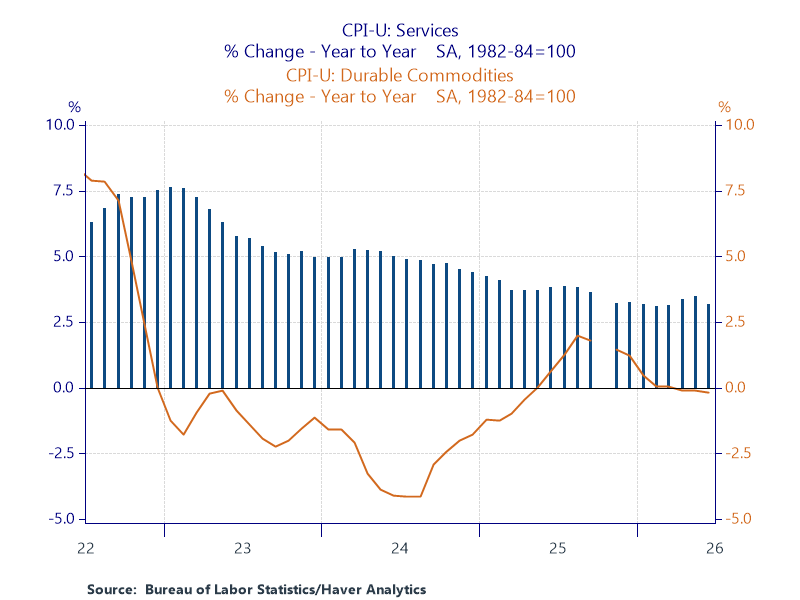
Services CPI, excluding energy services was unchanged MoM, following a 0.3% increase in May. The annual rate of this component was at 3.2%.
Ahead of the report, LPL Head of Macro Strategy Kristian Kerr said soft CPI print could be read as backward-looking if refined fuel markets keep signaling future pressure. On the other hand, a hot print would deepen worries that the Fed's path back to 2% is uneven and that energy-driven inflation is "higher for longer."
What economists said about the tame inflation print
Strategists were mostly positive about the report. Harris Financial Group Managing Partner Jamie Cox said, " It's pretty clear any recent rise in inflation was related to energy prices and wouldn't be long-lasting."
Lloyd Financial Chief Investment Strategist Colin Symons calls it as a "great report." He noted that the MoM drop in the headline CPI index was very broad based, too. "In general, this should really diminish the need for hikes."
LPL Chief Economist Jeffrey Roach also expressed a similar opinion concerning rate trajectory. "After today’s benign core inflation release, it appears less likely that the FOMC will raise rates over the next few meetings," he said. That said, he cautioned regarding the risk of energy shock spillover into other categories of consumer prices. "A positive resolution with Iran before the end of the summer is becoming increasingly important." Specifically, the economists opined that if supply chains improve by Labor Day, we should expect inflation to decidedly improve by the end of the year.
Roach noted that prices within transportation services and medical care services declined in June, setting up what could be a decelerating trend in consumer inflation.
A Haver Analytics chart shared by LPL showed services inflation has cooled slowly from about 8% to 3-4% since 2022, while durable goods swung from deflation back toward flat by 2026. With that goods-price tailwind fading, sticky services costs remain the main driver of lingering inflation.
Services Inflation Lingers
Source: Haver Analytics via LPL Financial
How Markets Reacted
- E-mini S&P 500 futures (ES): +0.27% (Gains were muted in light of IBM's negative Q2 preannouncement)
- Nasdaq 100 futures (NQ): +1.07%
- 10-Year Treasury yield: 4.5730% (down 3.6 basis points)
- Dollar Index (DXY): 100.70 (down 0.53%)
- Gold futures: $4,082.60 (up 1.92%)
- Fed funds futures have now priced in 86.6% odds of a pause at the July meeting, up from 58.3% a day ago; the odds of a September hike dropped to 60.1% from 75.1% a day ago.
Click MarketFramwork's Trade Validator tool for retail positioning on key futures instruments.
What to Watch Next
In prepared remarks delivered during the first day of Congressional testimony on Tuesday, Federal Reserve Chair Kevin Warsh gave away very little clues to the interest rate trajectory. The Fed chair said the central bank will strive to get the monetary policy right, which will in turn will contain the inflation surge seen in the last five years.
Warsh said the Federal Open Market Committee (FOMC) members have no tolerance for "persistently elevated inflation." Commenting on the economy, he said GDP has expanded at a solid pace, household spending is moderate, and manufacturing output has moved up steadily this year. But he remarked that the housing sector continues to lag. While noting that business investment is expanding at a rapid pace, reflecting in part AI infrastructure and software spending, Warsh said, "We at the Fed are monitoring the implications for inflation and the labor market."
He will speak again on Wednesday, this time before the Senate Banking Committee. ING strategists said it is unclear whether the market will learn much from the two-day testimony, given Warsh had made it clear that he was not in favor of issuing forward guidance.
The CPI print will be followed by its wholesale counterpart — the PPI — on Wednesday. Several Fed speakers are also due to make public appearances this week. Fed Governor Christopher Waller, who spoke on Monday, said if the June print comes in hotter than expected, the FOMC should consider hiking in the near term.


