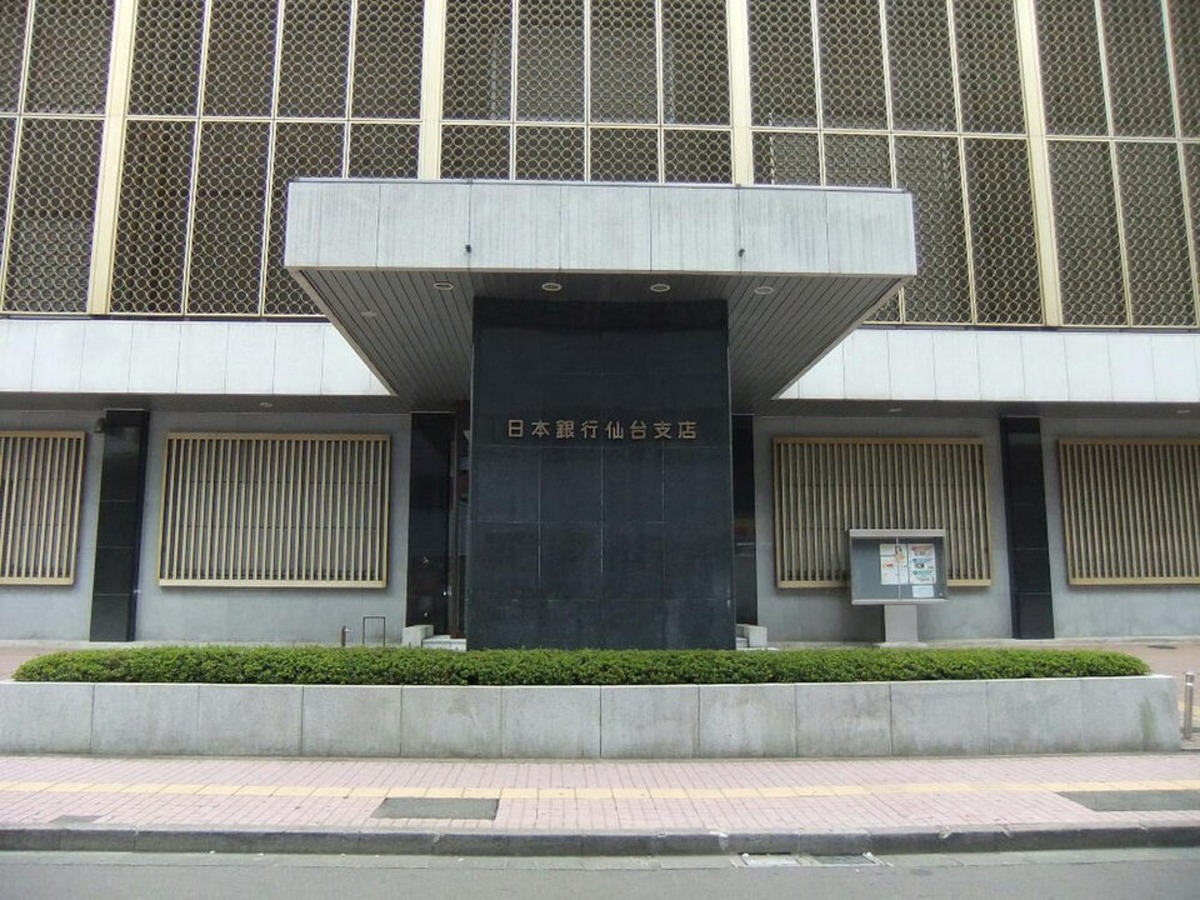
Economists highlighted the dilemma facing global central banks after the Bank of Japan (BoJ) announced a hawkish hold decision on Tuesday as the U.S.-Iran war worsens the global economic outlook and pushes up inflation.
Following a two-day Monetary Policy Meeting that concluded on Tuesday, the Japanese central bank opted to wait and watch the developments in the U.S.-Iran conflict before making a move. But the split decision and the Bank of Japan’s updated growth and inflation gave the decision a hawkish tone even as BoJ Governor Kazuo Ueda signaled that any future rate hikes could involve a trade-off between inflation and economic activity.
What Economists Said: Danish investment bank Chief Investment Strategist Charu Chanana said the BoJ rate decision exposes the central bank dilemma as the Middle East conflict and disruption risk around the Strait of Hormuz have created a difficult policy mix: higher imported costs, weaker growth, and more volatile inflation expectations.
Calling the development as the “worst kind of shock” for central banks, Chanana said unlike a demand boom, in which tighter monetary policy could be employed to cool activity, the current crisis is a supply shock, where higher energy and raw material costs hurt households and companies, pushing inflation higher.
“But the BOJ’s hawkish tilt suggests policymakers may still feel forced to act,” the strategist said. With inflation likely to show up in the data faster than growth weakness, central banks may prioritize tackling inflation, before assessing damage to growth.
ING Strategists Min Joo Kang and Chris Turner said the 3-to-6 split is the widest division among board members during Ueda’s tenure. The split vote, according to Kang and Turner, indicates the discussions likely focused on the timing of the rate hike, rather than their direction.
The strategists also said the dissent by Junko Nakagawa, often considered a dovish member, came as a surprise.
Pointing to the two pause decisions earlier this year, Kang and Turner said the BoJ was already maintaining an accommodative stance even before the Middle East crisis intensified. They see the gradual approach to tightening pushing the real rates further into negative territory.
Key Takeaways from BoJ Governor’s Press Briefing: Ueda, however, did not deliver a strongly hawkish signal to the market at the press briefing following the monetary policy meeting.
The BoJ Governor reiterated that the central bank is in the middle of a process to raise the policy rate to a neutral level and that, if the economy doesn't undergo a significant slowdown, rate hikes are possible.
On the impact of the Middle East conflict, Ueda said at present it was hard to judge the duration and impact of the conflict on the economy and prices. He hinted that the apex bank would spend a bit more time scrutinizing the impact and whether growth and inflation risks could change.
Ueda also raised the potential risk of companies actively passing on rising energy-related goods costs. “We would like to carefully gauge various data to ensure we're not behind the curve."
He declined to commit to a timeline for future hikes. “We don't have any preset idea on how many months we would need” to gauge whether conditions for another rate hike could fall into place. “"If inflationary risks could materialise or if they heighten significantly, we could raise interest rates on condition that downside economic risks or the risk of a sharp economic worsening are limited,” Ueda said.
Future Policy Path & Market Impact: The yen firmed up toward the 159 level against the dollar in the aftermath of the rate decision but has given back its gains and weakened marginally in the New York session. ING believes the focus of currency traders will be on the real interest rate, i.e. inflation-adjusted interest rate, and the extent to which the central bank is prepared to balance inflation control with economic support.
A 25-basis-point hike in June or July may not make too much of a difference for the yen as a 1% policy rate would still be offset by core inflation running above 2%, ING stated. The firm also noted that the BoJ was also bracing for potential terms-of-trade shock. The firm, therefore, sees upside pressure on the USD/JPY pair in the near term.
Delving into whether the BoJ will intervene, ING said the effectiveness of a central bank intervention to prop up the yen is uncertain. Speculative short positions in yen are only half the size seen in 2024, when a forex market intervention triggered a massive short-squeeze in the yen.
Read Next: Update: BoJ Pauses Again Despite Growing Hawkish Pressure; Eyes on Ueda for Rate-Hike Signals