
Crunching the Numbers: German producer prices edged down merely 0.2% year over year (YoY) in March, a much smaller drop than February’s 3.3% decline. On a month-over-month (MoM) basis, producer prices climbed 2.5%, reversing the 0.5% decline in the previous month. Economists, on average, had estimated 1.4% growth.
The statistical office attributed the sharp increase in the monthly rate to the Middle East conflict, which pushed up prices of all energy products.
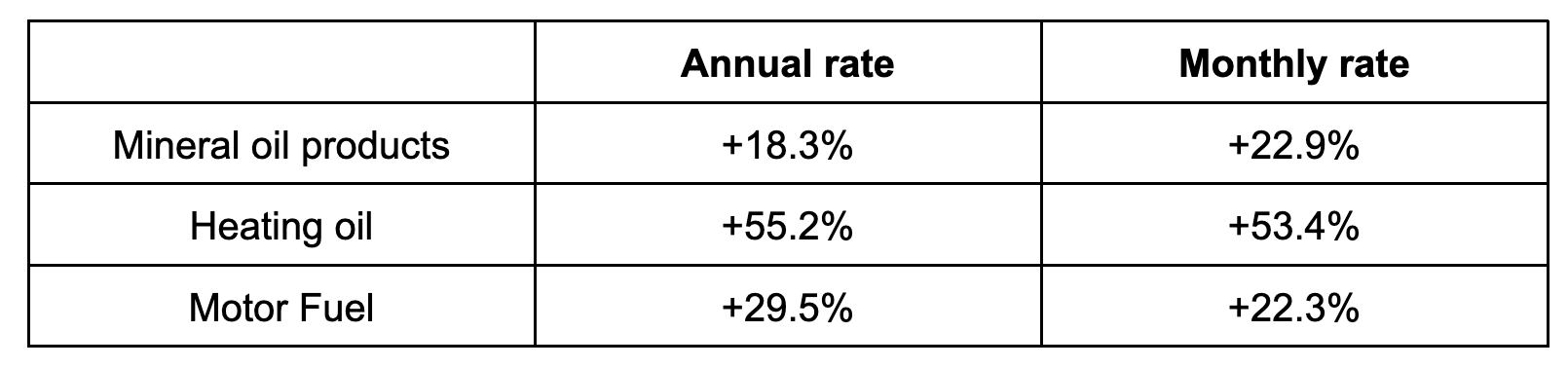
Excluding energy prices, producer prices rose by 0.4% from February. Energy prices climbed 7.5%, marking the largest increase since August 2022. However, energy prices fell 3.2% YoY as other energy sources such as natural gas and electricity witnessed smaller price increases, mainly due to longer-term contracts and pricing mechanisms.
The annual and monthly producer price inflation for energy products are as follows:
The statistical office also announced manufacturing orders for February, showing a 1% MoM increase on a seasonally and calendar-adjusted basis. YoY, orders were up 7.5% following calendar adjustment. The data pertains to a period before the start of the conflict.
How Markets Reacted: The Euro forex futures (6E) contract, which slipped following the data, has since recovered the losses and currently trade around the 1.178 levels. The euro’s weakness also reflected strength in the U.S. dollar, which has seen renewed strength amid dimming hopes of a de-escalation in the Middle East conflict.