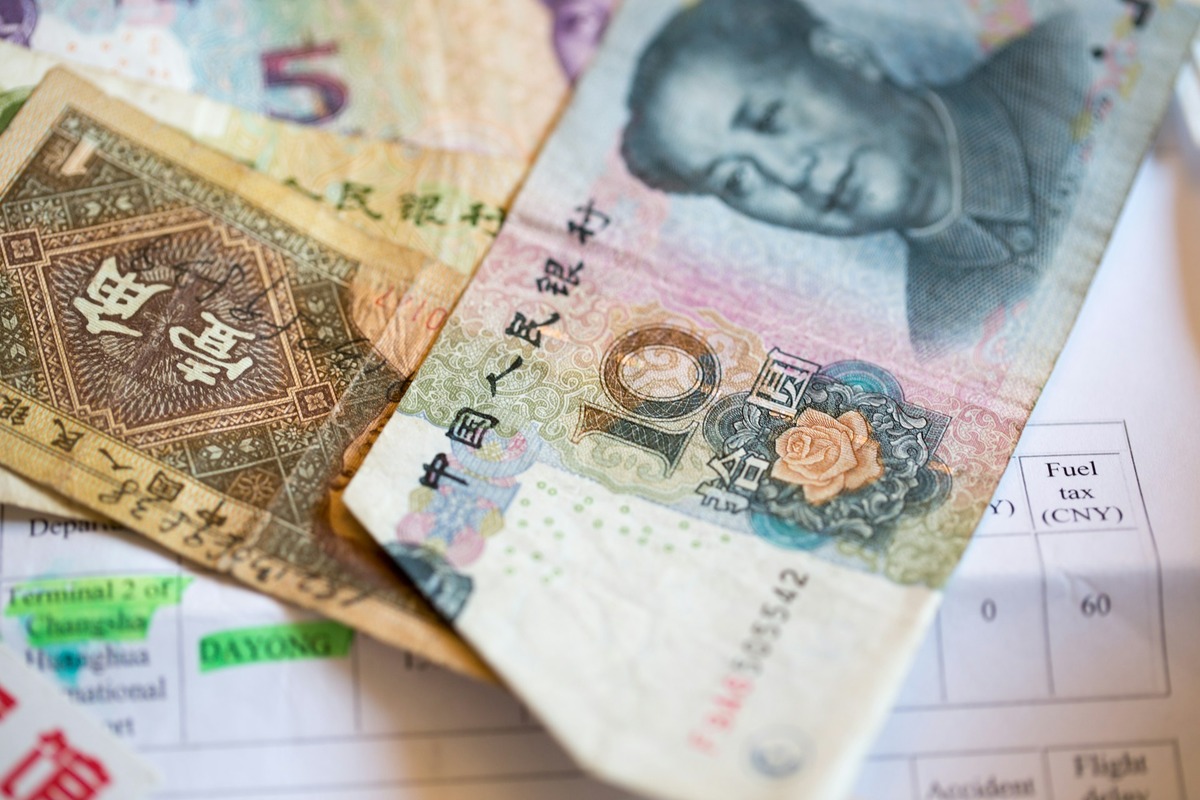
The Offshore Yuan futures (CNH) traded on the CME lost some ground early Monday after the People’s Bank of China (PBoC) decided to leave key rates unchanged for an 11th straight month. The unchanged stance comes despite the U.S.-Iran conflict
Where Key Rates Stand Now: The loan prime rates (LPR), the main benchmark interest rates that banks use to price loans for their most creditworthy customers, unchanged at 3.50% (five-year LPR) and 3% (one-year LPR). These rates are set by the PBoC based on quotes from major banks, and directly influence borrowing costs for businesses, consumers and mortgages.
The decision came as a no surprise after the country reported better-than-expected first-quarter GDP growth last week. Buoyed by strong trade data, China’s economy expanded by a better than expected 5% during the quarter.
China Wary of War Risk: The National Bureau of Statistics (NBS) of China, however, warned of an inclement external environment, which has become "more complex and volatile," potentially upsetting the demand-supply balance.
The fears are not totally unfounded. March data largely surprised to the downside. Retail sales, and fixed asset investment undershot the consensus and also slowed markedly from last month. Industrial production growth accelerated from February but was below expectations.
Producer price inflation data released earlier this month showed the first year-over-year increase in nearly four years and consumer prices rose 1% as gasoline prices jumped 11%.
Earlier, Beijing set an annual growth target of 4.5%-5% for 2026, which is the lowest since the early 1990s.
Monetary Policy Outlook: "We will continue to implement a moderately loose monetary policy," said PBoC Governor Pan Gongsheng while speaking to the China Development Forum 2026 in late March.
On the yuan exchange rate, Pan said that even as it maintains a managed floating exchange rate regime, the currency has appreciated against most major counterparts since the start of the year. China has neither the need nor the intention to gain trade advantages through currency depreciation, he added.
How Markets Reacted: The CNH contract, which strengthened to a more than three-year high of 6.8054 last week following the GDP data, has since lost ground. Monday morning it fell to a low of 6.8278 before recovering slightly. It still traded marginally weaker than its levels last Friday.
The front-month copper futures contract widened its losses slightly following the data.
Read Next: Nasdaq Futures Eye 13th Straight Gain, Dollar, Crude Fall as Peace Optimism Builds